






Our approach is based on a structured and repeatable process that enables effective management of environmental impacts. By combining analysis, assessment, and action, we ensure that all key impacts are identified, monitored, and gradually reduced.


Identification
Identifying the impacts of processes, materials, and activities
Considering the entire life cycle of our solutions
Tracking inputs (raw materials, energy) and outputs (waste, emissions)

Impact Assessment
Evaluating impacts based on their likelihood and consequences
Determining the significance of individual impacts
Setting priorities for action

Measures and Objectives
Defining specific measures to reduce impacts
Optimising processes and resource consumption
Monitoring results and driving continuous improvement
Environment and Resources
At Lipro, resource management is based on optimising energy and material consumption and reducing emissions.
By combining technological improvements, renewable energy sources, and process monitoring, the company systematically reduces its environmental impact.
ISO 14001
Environmental Management System
Guides our processes towards reducing environmental impact and using resources efficiently.
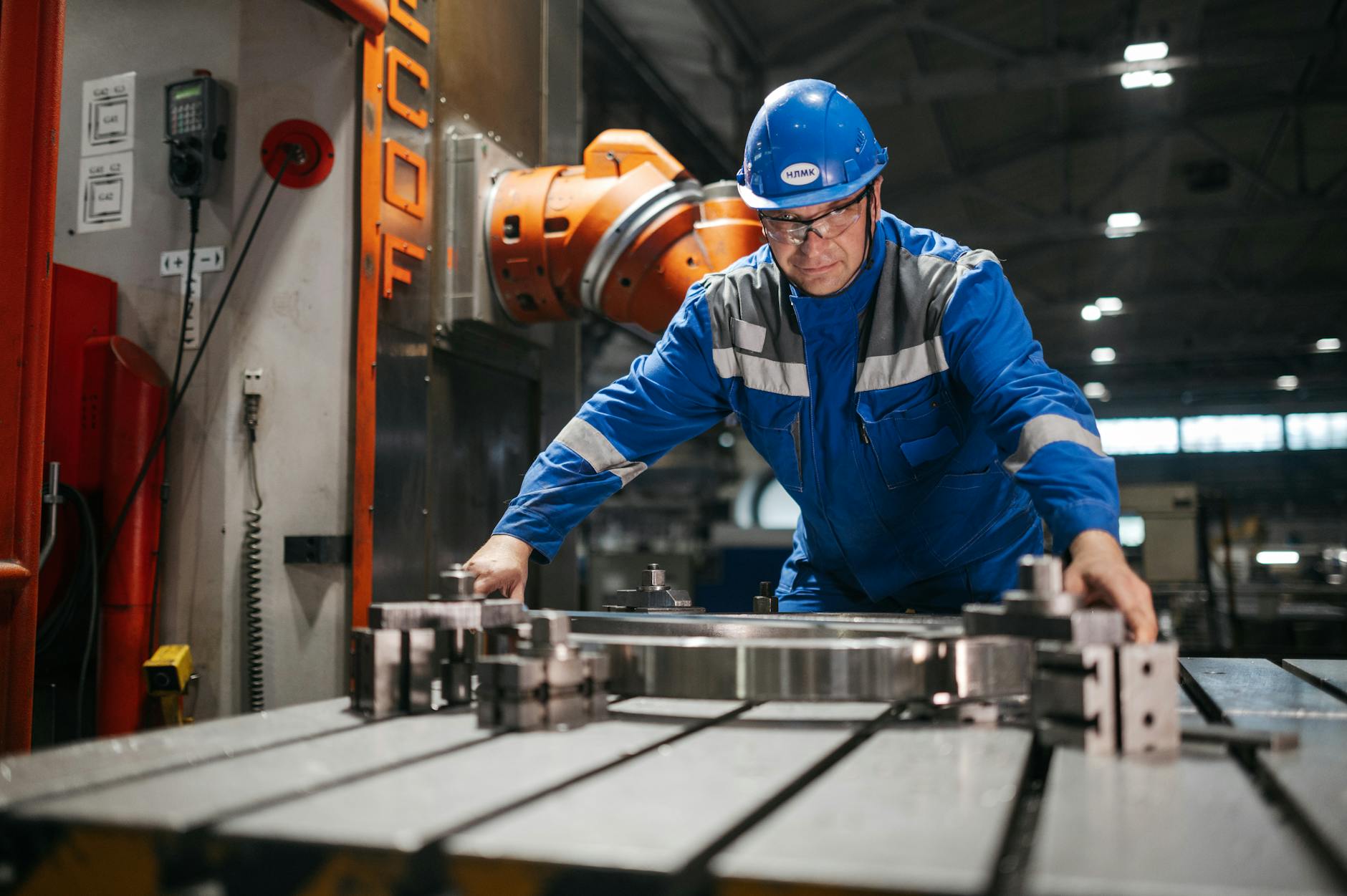
Energy
Efficient energy management involves monitoring electricity consumption, optimising energy use, and increasing the share of energy from renewable sources. Solar power plants and the gradual introduction of electric vehicles are also important elements of this approach.
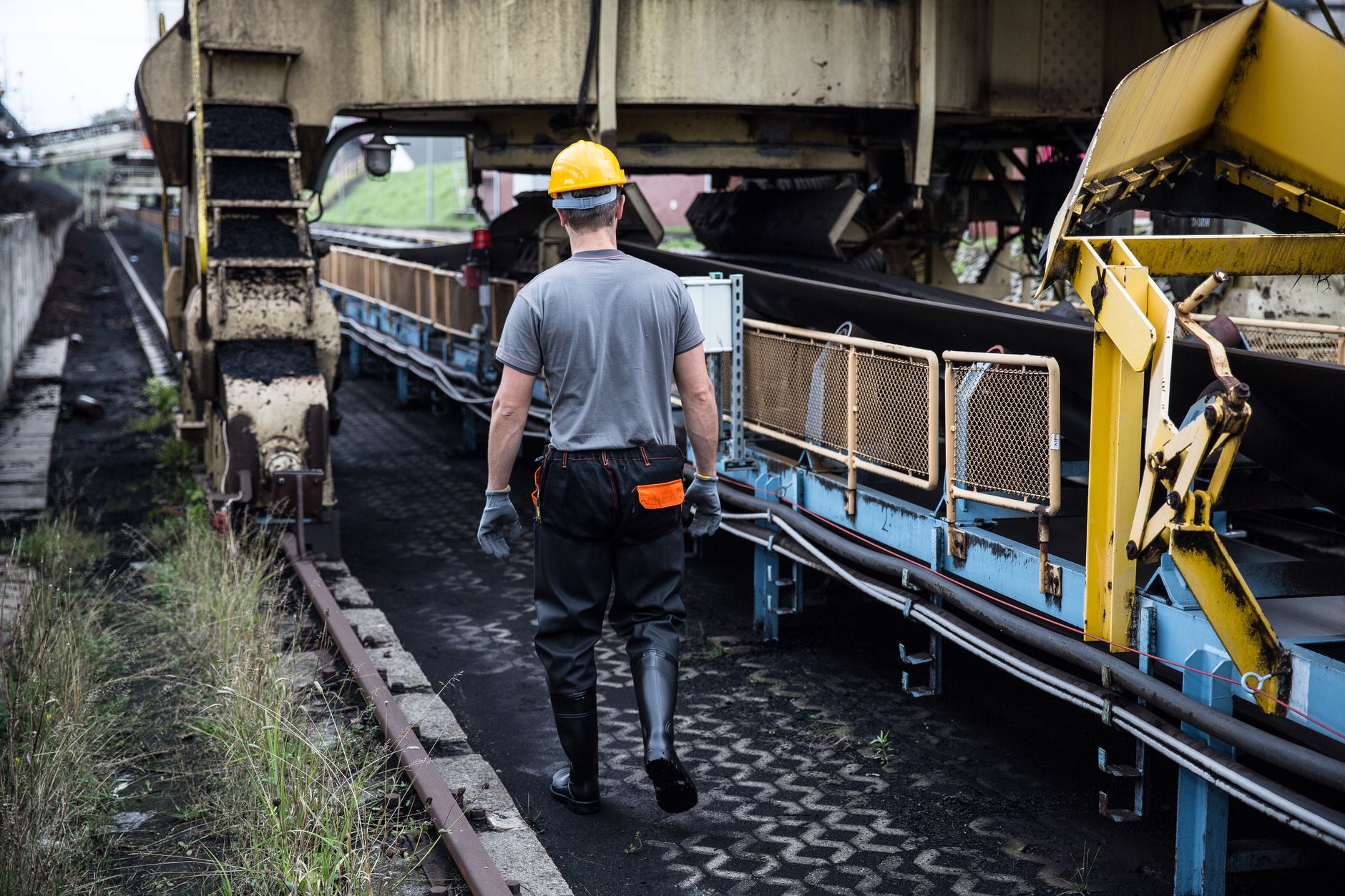
Emissions
Emission reductions are achieved through process improvements, the use of renewable energy sources, and a gradual transition to more environmentally friendly forms of mobility. This enables the company to reduce its carbon footprint and strengthen its commitment to environmental responsibility in its day-to-day operations.
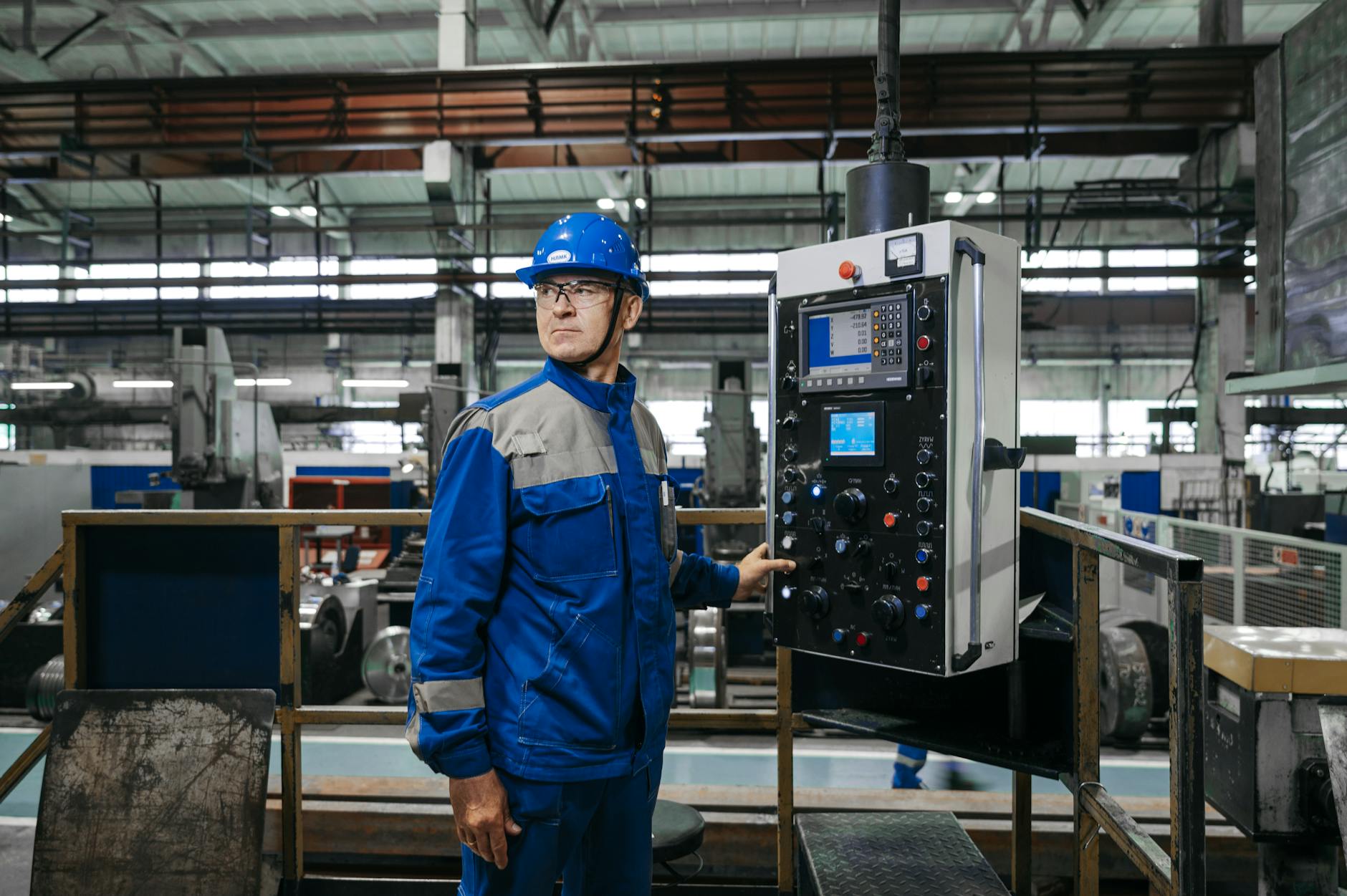
Materials
Our approach to material management focuses on efficient raw material consumption, optimised cutting processes, and reducing waste at every stage of production. The goal is to improve material utilisation, increase reuse, and minimise environmental impact throughout the entire life cycle.
Waste Management
Waste management is based on a clear hierarchy: prevention, reduction, reuse, and safe disposal. This approach enables efficient resource management, reduces environmental impact, and supports the company’s sustainable operations.
/
Prevention
Waste management is based on a clear hierarchy: prevention, reduction, reuse, and safe disposal.
This approach enables efficient resource management, reduces environmental impact, and supports the company’s sustainable operations.
/
Reduction
When waste is generated, reducing it and separating it at the source is essential.
By consistently sorting materials, we enable more efficient processing and reduce the amount of waste destined for landfill.
/
Reuse
Some waste can be reused in its existing form or as a resource for other processes.
This reduces the need for new raw materials and contributes to more efficient resource use.
/
Disposal
Waste that cannot be reused or processed is disposed of in a controlled and environmentally responsible manner.
Our procedures comply with legislation and ensure minimal environmental impact.
Concrete Measures for Continuous Improvement
Concrete measures are based on continuous monitoring, analysis, and process optimisation. By implementing improvements in energy use, materials, and waste management, the company systematically reduces its environmental impact and ensures efficient and sustainable operations in the long term.

Energy Monitoring

Material Optimisation

Waste Management

Solar Energy

Packaging Control

Hazardous Waste

CAREERS
Grow with Us
Join a team that encourages development, collaboration, and responsibility. We offer a dynamic environment, learning opportunities, and the chance to work on impactful projects.
ABOUT US
A Reliable Partner in Automation
We are a development-oriented company that leverages expertise and flexibility to create solutions and build long-term partnerships.